
![SHBA [BLUE]](https://growthzonecmsprodeastus.azureedge.net/sites/910/2017/09/SHBA-BLUE.png "SHBA [BLUE]")
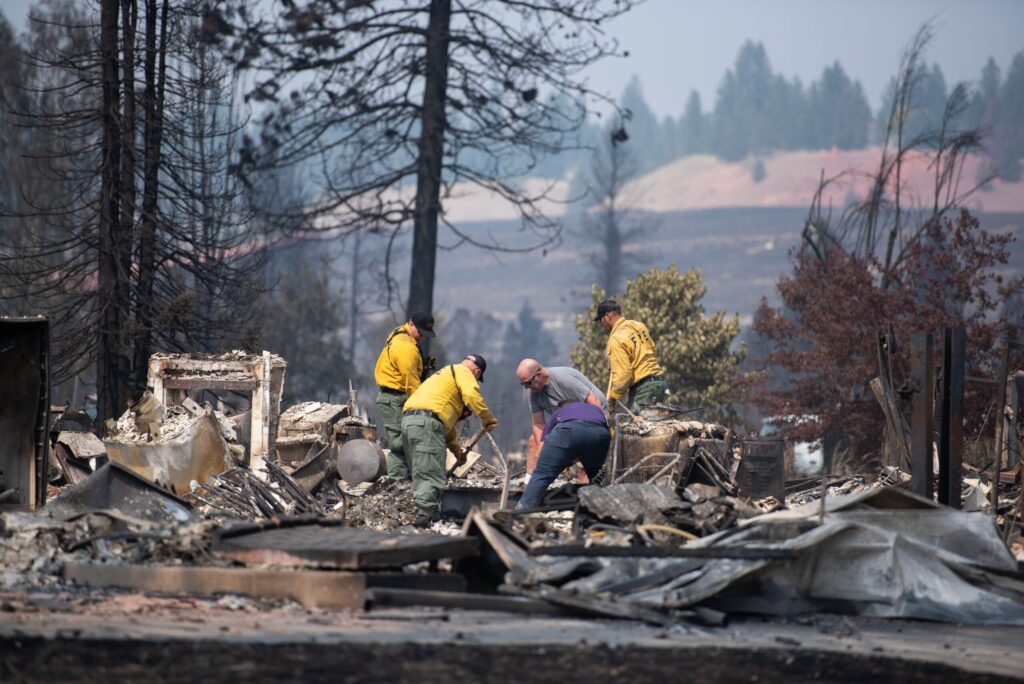
As a follow-up to SHBA’s recent Fire Recovery Forum, we have pulled together a few key takeaways from each of the two panel discussions for members who may not have been able to attend or watch the full event. The conversations covered important topics including permitting, cleanup, rebuilding challenges, insurance, and the practical steps ahead for homeowners and contractors. We have highlighted the most relevant points below and included links to view the full recording.
Panel 1 — Building, Planning & Government Officials
1. Recovery will require coordination beyond simply speeding up building permits. Property-tax relief, cleanup rules, permitting, inspections and other government processes all intersect. One specific point highlighted after the forum was that affected homeowners should investigate property-tax relief before rebuilding is underway, because timing can matter. (Timestamp: 09:34–10:10)
2. City and County officials are looking for flexibility rather than requiring people to reproduce the exact house they lost. This may be one of the most important messages for SHBA members. Officials discussed allowing flexibility with floor plans, configurations, existing nonconforming conditions, and reasonable changes in square footage. Permitting, various fees, energy-code requirements, and other fire-specific accommodations were also being discussed. (Timestamp: 26:30–29:40)
3. Cleanup and asbestos testing could be one of the biggest early bottlenecks. Before builders can really get moving, properties may need asbestos testing, debris removal, demolition approvals, and proper disposal. A major concern raised was whether Spokane has enough asbestos inspectors and laboratory capacity to process hundreds of affected properties, particularly before winter conditions complicate the work. (Timestamp: 32:28–36:27)
Panel 2 — Builders, Insurance & Rebuilding Professionals
1. Mortgage companies can become a major part of the construction-payment process. When a mortgage remains on the destroyed property, the lender may control the insurance proceeds and release them through construction draws. Builders need to know the number of draws, inspection requirements, turnaround time, and how subcontractors or deposits will be funded between payments. That is a very different cash-flow situation from a normal new-home project. (Timestamp: 1:21:00–1:25:00)
2. Homeowners should understand the entire insurance policy before designing the replacement home. The initial check or dwelling-coverage figure may not represent all available funds. Coverage can potentially include separate amounts for the dwelling, debris removal, code upgrades, landscaping, personal property, and additional living expenses. That means the builder and homeowner need to understand the insurance package before locking in the design or construction contract. (Timestamp: 1:30:00–1:33:00)
3. Don't let the urgency of the disaster force homeowners into bad rebuilding decisions. Builders with wildfire-recovery experience emphasized that the recovery would take years, not months. Contractor capacity, designers, subcontractors, inspections and cleanup all create natural bottlenecks. Homeowners were cautioned against contractors using fear tactics such as saying someone must sign immediately or "lose their spot” and encouraged to verify licensing, bonding, references and wildfire/insurance experience. (Timestamp: 1:53:00–1:56:40)
Always, don't hesitate to reach out if you have any questions or concerns as we go through this recovery and rebuild process together.